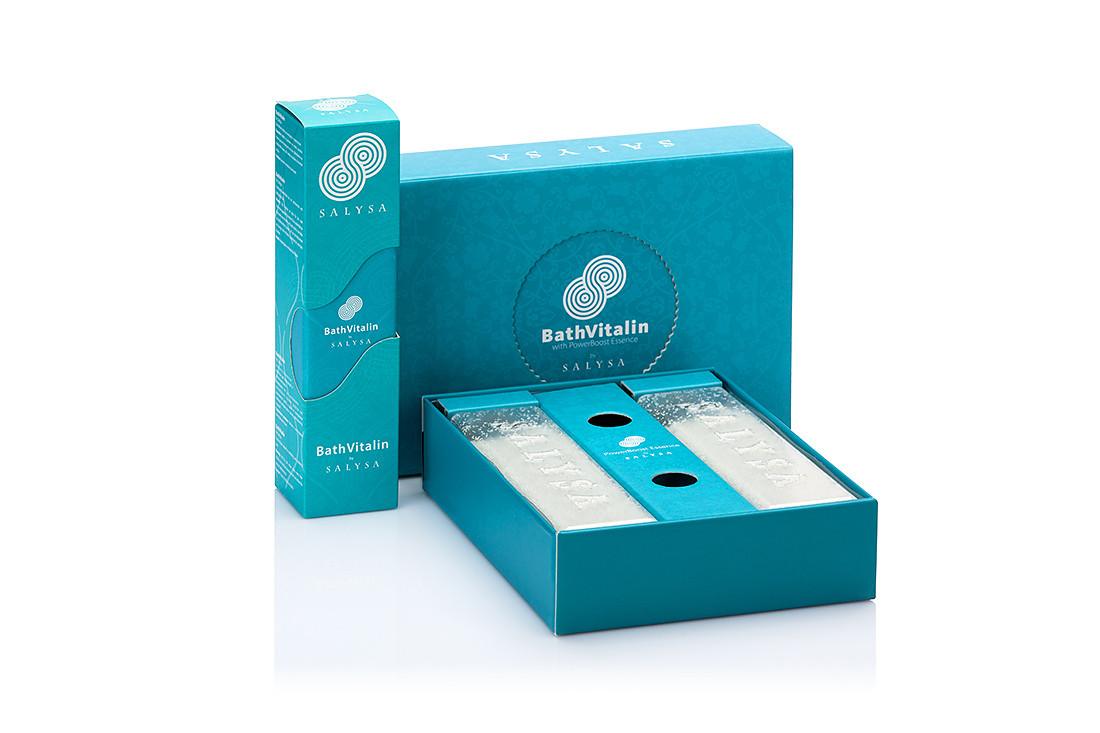

Corrugated cardboard is versatile and is most commonly used for the production of various packaging for products. The word packaging has its origins in France. There, packaging is called l’emballage in French, and from there the word was transferred around the world in various forms and ended up here as the technical term packaging.
Corrugated cardboard, however, was created later than the word packaging, and quite by accident. It was invented by Brooklyn printer Robert Gair around 1890 while he was folding paper bags and accidentally cut them. He was excited to find that in this way he obtained a stronger base for packaging than a paper bag.
He began with various tests, gluing different layers of paper and new innovative ideas. Once he also came up with the idea of crumpling paper and gluing it from both sides, which was actually the beginning of the development of corrugated cardboard. Corrugated cardboard was thus invented and quickly spread across the entire continent.
Throughout all these years, the technology for manufacturing corrugated cardboard has also changed drastically and progressed to the present day, when it is manufactured with modern, automatic machines, along with packaging design and production via computer technology.
Corrugated cardboard packaging
The word packaging actually means a carrier for something that we would like to transport elsewhere undamaged and in its original form. It is a form of wrapper in which we wrap what we would like to take elsewhere, which is why there is also a pure term “wrapping”, which has been displaced by the technical term packaging. Packaging is a kind of container and protection for objects and products that must reach one place from another in their original form, undamaged, clean, and hidden from sunlight.
Corrugated cardboard can represent a type of packaging that is primarily intended for the protection of the contents that the packaging provides to the contents it carries, and secondarily for aesthetic appearance. Packaging protects the product from damage, external influences, scratches, dust, water, moisture, and sunlight. If the packaging is printed, it also provides information about the contents and the product. It can feature instructions for use or an advertisement for the product, which makes packaging a very important element for marketing. Corrugated cardboard is intentionally made to have flat layers on the outside, which are suitable for printing and thus beautifying the packaging and communicating information to the buyer.
Before packaging is made from corrugated cardboard, it is necessary to collect some key information from the client. We need to know how large the packaging will be or what the product to be packaged is. The weight of the product is also important. The client provides basic requirements regarding design and printing, how they envisioned the packaging will look. If they do not know this, they can leave the decisions to design and packaging experts. Once all questions are answered, the planning of the packaging begins, a prototype is made, and once the client confirms it, the production of the packaging and the packing of the product can begin.
What are the properties of corrugated cardboard?
Corrugated cardboard is built from several layers of paper. There is always one corrugated layer of paper between two flat layers, which is why it is called corrugated cardboard. The flat layers and the corrugated layer between them are usually connected to each other with a natural glue. The glue consists of water and starch, which makes corrugated cardboard an ecological, degradable, and environmentally friendly material. At the same time, it is usually made from recycled materials or cellulose.
Due to several layers and the corrugated paper in between, corrugated cardboard achieves a considerable thickness. In this way, it becomes rigid, firm, and sturdy, while at the same time it is light, as there is a lot of air between the waves. Corrugated cardboard can be so strong that even benches, chairs, and loungers are made from it, which you can assemble like an accordion into a bench or chair and fold up again and take with you. Corrugated cardboard thus represents a truly natural and useful material for interesting innovations.
The main purpose of the corrugated layer of paper, which is between the two flat papers in corrugated cardboard, is to maintain a constant distance between them. How strong the structure of corrugated cardboard is depends on the mechanical resistance of the flat layer and on the type and composition of the intermediate waves.