Skip to content

The production of cardboard boxes dates back to 1890, when the printer Robert Gair made a mistake and cut paper bags stacked on top of each other while folding them with a ruler. This fateful mistake immediately intrigued him. He got the innovative idea that he could make a stronger, more durable paper from the cut layers of paper. We can say that this was a fateful milestone in history, as the production of the box was invented then.

In a few attempts, the printer Robert Gair found that in one process, by cutting and gluing paper together, he could indeed make the paper we call cardboard today. He succeeded in making cardboard, which he then improved by gluing flat and corrugated papers together. Thus, paperboard was invented, which we still know today in a more modern, refined version.

From paperboard, he made a stronger box than the paper bags the printer had been producing until then. The production of the box became mass-produced when the printer Robert Gair began mass-producing paperboard in the 19th century with his process of corrugating and gluing paper. He soon expanded his paper empire to quite a few buildings, and some of them in Brooklyn still bear his name.

E. S. and A. Robinson, with whom he had long-term business relationships, helped develop his idea for the widespread use of boxes. The production of cardboard boxes for widespread use thus began and developed rapidly through history to the present day, when it has exceeded all expectations and can satisfy all the needs, tastes, and wishes of clients and customers.

Custom boxes are available today from several suppliers, retailers, and on websites. To get there, of course, they must somehow arrive; someone must invent them, plan them, execute them, manufacture them, and send them to the market. In this regard, companies with a long tradition and innovative and qualified staff are much more successful. If the box manufacturer does not produce the cardboard and paperboard themselves, they must first procure the material. Some box manufacturers, however, do everything in one production line.
How are corrugated cardboard and paperboard made?

The production of the box begins with the production of cardboard, corrugated cardboard, or paperboard and corrugated paperboard. Manufacturers use both terms slightly differently. A rough division would be that cardboard is thinner than paperboard and thicker than paper. Corrugated cardboard is made from several corrugated and flat layers of paper. Paperboard is also said to come in several versions, as it is glued paper that can have many layers and is supposed to be the strongest cardboard, useful for the strongest boxes.

Cardboard and paperboard are created with the help of machines by first making paper from wood, i.e., cellulose, which is wound on large reels that are as wide as the box is wide. The machines glue the papers together. The glue is usually a mixture of water and starch, which are environmentally harmless and easily degradable, so the box is an ecologically acceptable solution as packaging. Custom boxes are made from both cardboard and paperboard, depending on what they will be used for and how large they are. Small ones are made of cardboard, slightly larger ones of corrugated cardboard, and the largest ones of various paperboards.

Paperboard is usually much thicker than cardboard and is the basic idea of the printer Robert Gair, who made paperboard by gluing crumpled and flat paper together, by placing the crumpled paper between two flat papers. Today, machines create paperboard by gluing together corrugated and flat papers in several layers using glue. Usually, there are two or three layers, but there can also be five or more, depending on how strong a paperboard is needed in production. Modern industrial designers have even invented benches and furniture from cardboard and paperboard that can be folded and taken with you. The production of the box is determined by what it will be used for and how strong it must be, so the expert also chooses the right cardboard or paperboard.

Custom box production

Custom box production takes place according to a specific process from corrugated cardboard and from paperboard or solid board. First, we print on solid board, which we then glue (litho-laminate) onto two-layer or three-layer corrugated cardboard. After that, we die-cut the boxes from this cardboard. Cardboard waste from the cut pieces is recycled again, which the cardboard manufacturer can repeat up to 25 times – depending on the type of cardboard. Then the cut pieces of the future boxes travel to the next machine, which glues these pieces in up to 6 points and packs them into transport cardboard. Such unassembled custom boxes are sent forward to customers, who assemble them before using or selling them. Some gift boxes are also sold to end customers while still unassembled. Some users glue the boxes when they put products in them, while others use them unglued.

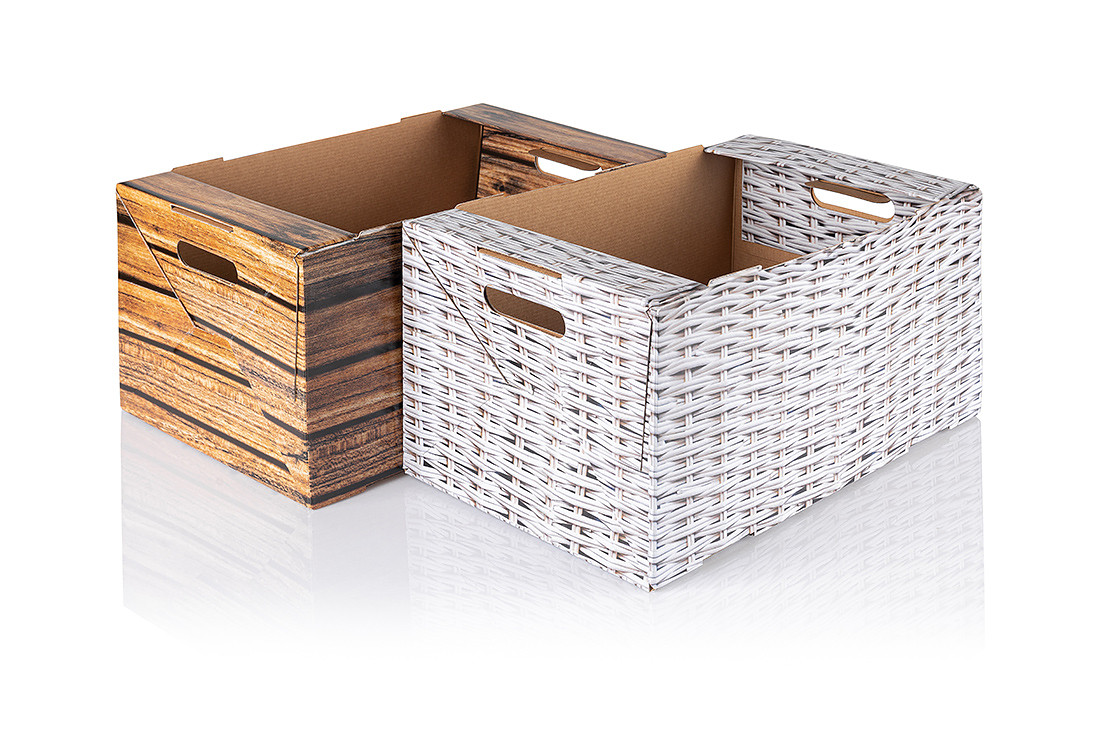
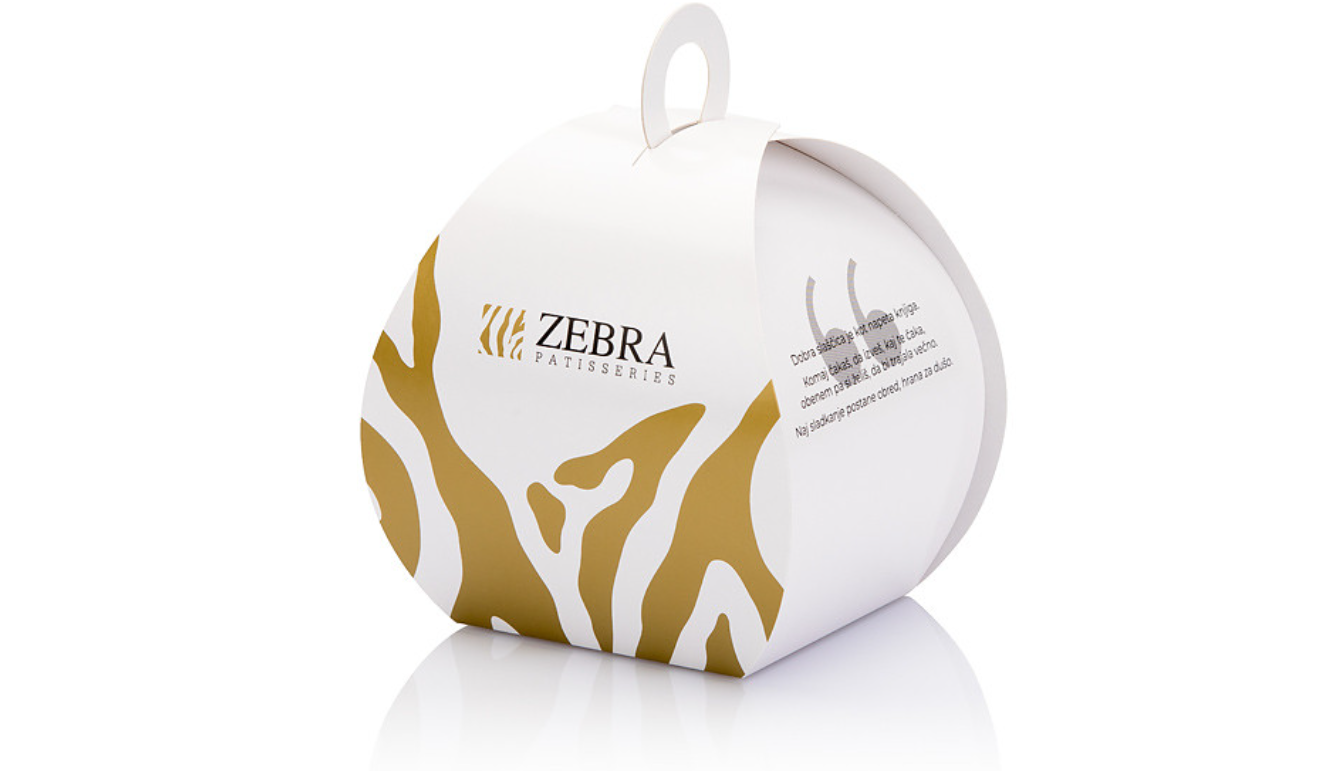
Some boxes have special shapes; they can have cut-outs and special folds as well as additions that give the boxes a special visual effect. The production of custom boxes that are truly unique and one-of-a-kind involves making a special tool for each box that gives the box its shape (cut-outs and folds). All boxes can be assembled either by machine or by hand.

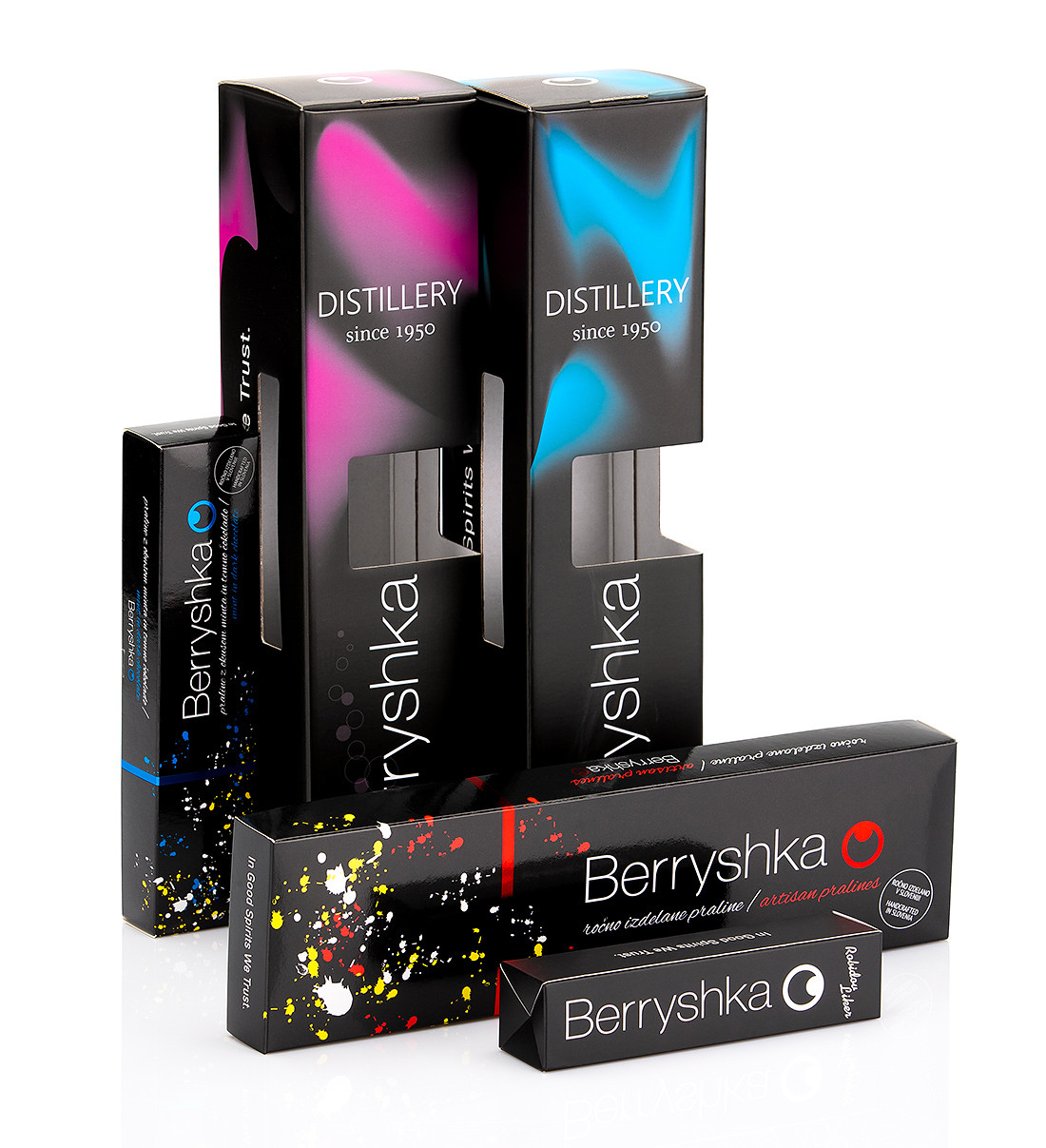
Usually, corrugated cardboard is available in brown or white, onto which the printed material is litho-laminated. Some designs require a matte look, others a glossy one, or they can also be film laminated, which further protects the boxes from dirt, damage, water, moisture, and colour fading.

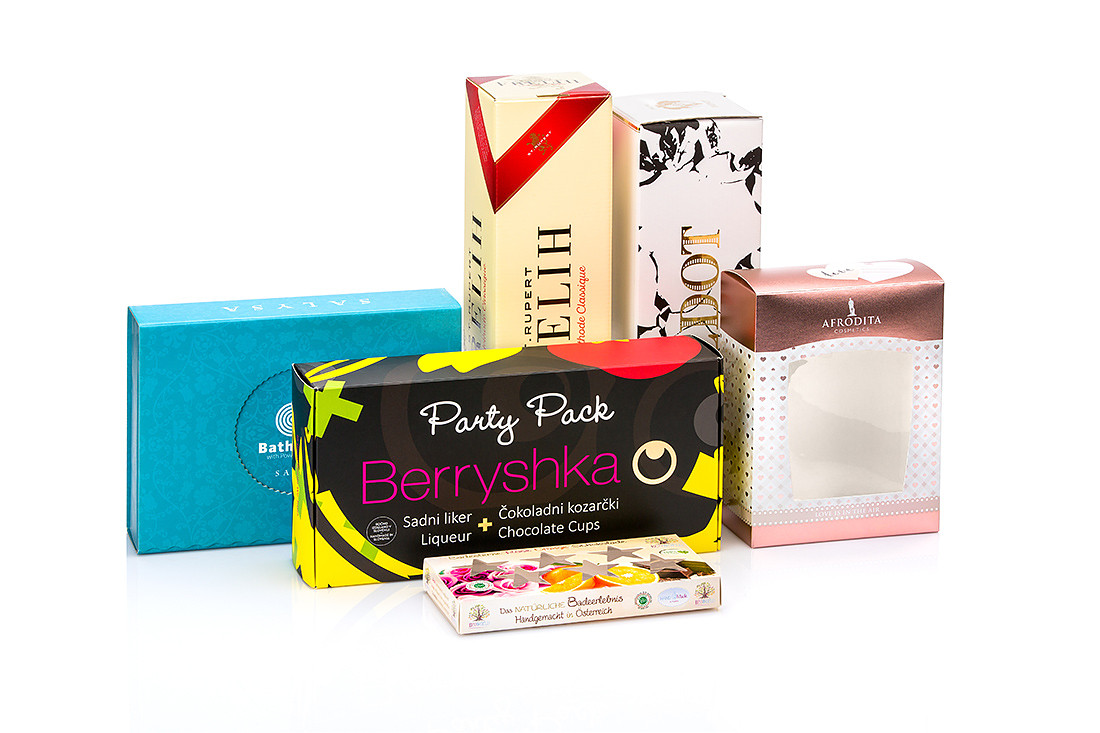
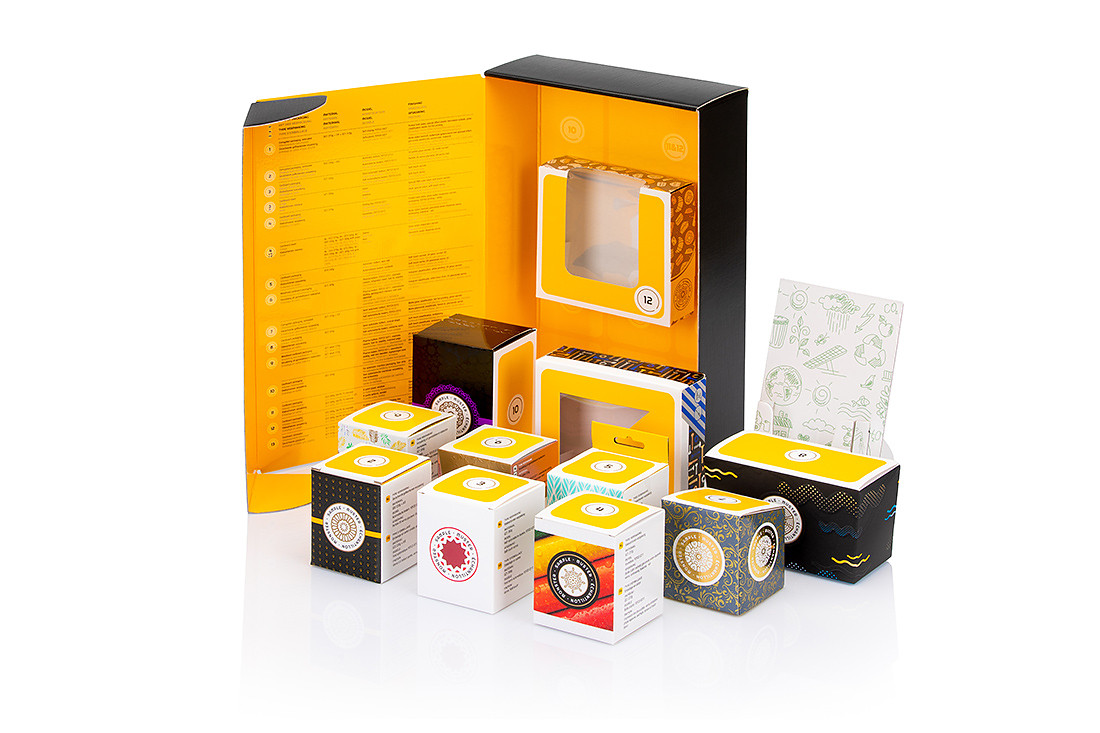
The most special are cardboard gift boxes, which require a lot of ingenuity, creativity, and innovation from the graphic and industrial designer, as they are intended for gifting and therefore must be beautiful and functional to use. Here, the company Jamnik d.o.o. has a strong team of technologists providing excellent service and product development.

Cardboard gift boxes are a chapter of their own

Cardboard gift boxes are custom boxes, which we usually do not always have at hand. You have probably been in a predicament several times when you wanted to send, take, or give something to someone, but you had nothing at hand. Gift bags or gift paper are often not a good solution, as gift bags are intended for lighter gifts, those that cannot be damaged. Aesthetically, they are also not the most suitable if you really want to tell someone that you care about them. In this case, cardboard gift boxes provide a psychological effect that something special, a treasure, is hidden inside, and the recipient opens it with great joy and anticipation. Under the Christmas tree, we most often put beautifully wrapped cardboard boxes, don’t we?

All gift boxes are custom boxes, which means they need to be specially ordered and you need to have an idea for them. First, we need to know what such a box is intended for. Is it an everyday product or a prestigious product? We know high-end products and those that are not. Not every box is intended for everything. It is also good to know which customers the gift box is intended for, who our target audience is. Once these questions are answered, industrial and graphic designers find exactly those solutions through market research that suit a specific target audience. This way, the box achieves the right effect.


Sustainability aspect

The boxes produced by the company Jamnik d.o.o. are made from recycled material, which is of exactly the same quality as if it were made from cellulose. They are aware that the impact of the closed-loop circular economy is part of a global sustainability plan that will help reduce deforestation. It thus contributes significantly to preserving nature for future generations.

Recycling is carried out using renewable energy sources, which is an additional aspect of sustainable development that the company takes into account in its work. In addition, it ensures lean production as well as the health and well-being of the company’s employees, who are constantly educated and kept up to date with the latest trends in the fields of ecology, human health protection, and nature conservation.

Newsletter Sign-Up

Stay up to date with the latest trends and innovations in the packaging industry.