
At Jamnik, you can choose, among other things, film lamination of cardboard for your packaging. The purpose of film lamination is additional protection of the printed material. It makes sense to film laminate cardboard when your packaging is exposed to external influences, such as sunlight, fluctuations in temperature and humidity. Usually, we choose film lamination for packaging that is intended to have a longer lifespan. However, we can decide on film lamination because we simply want to add value to the packaging and, consequently, to our product.
Film lamination
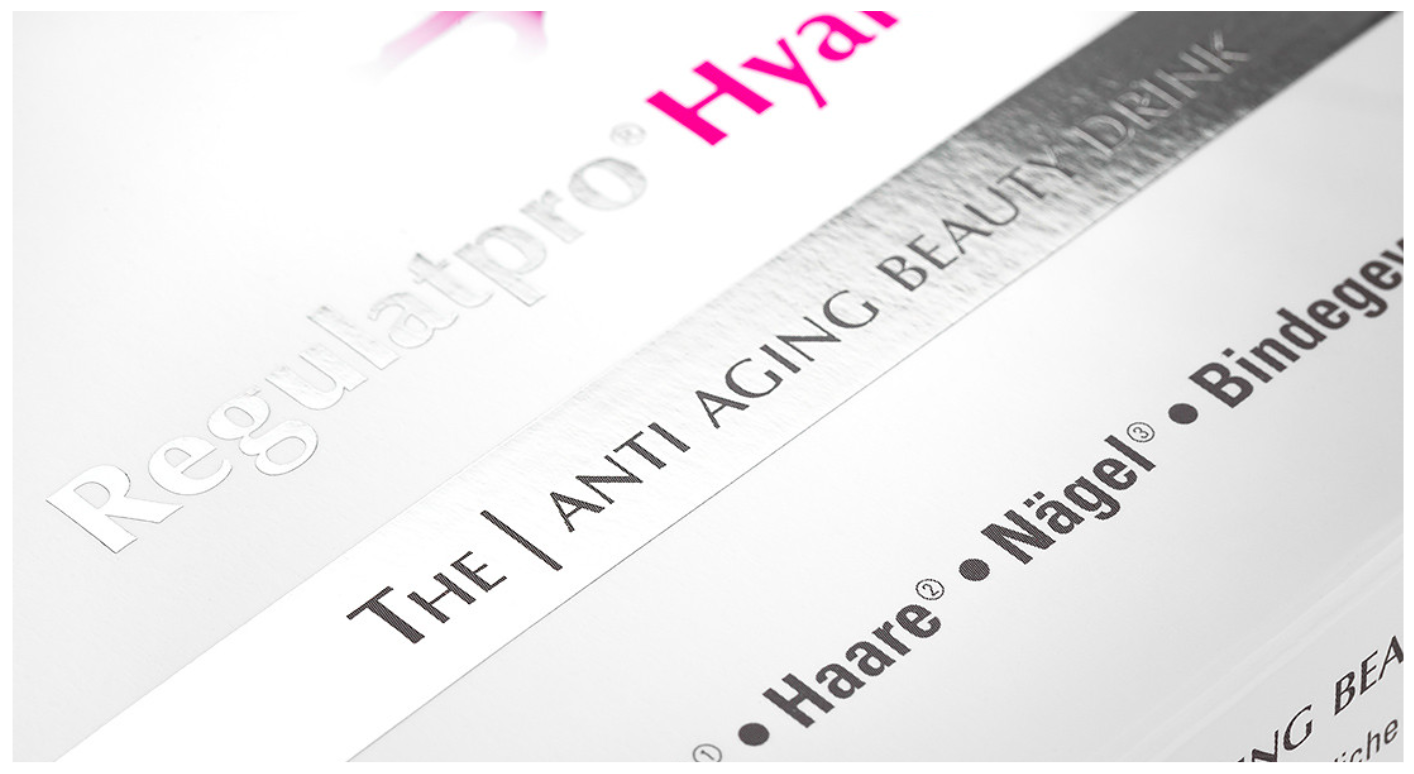
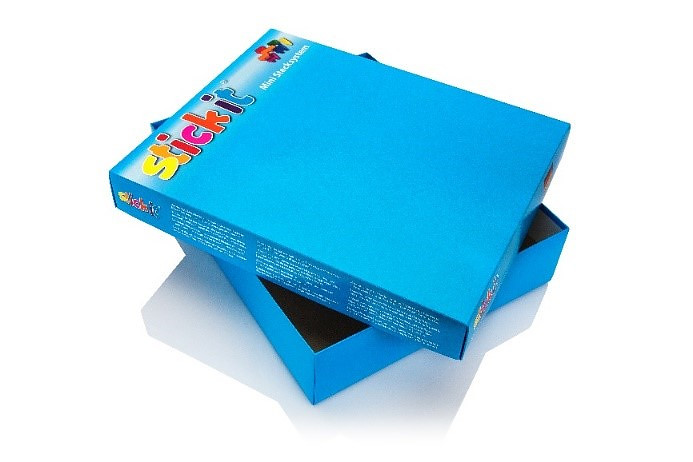
The cardboard is first printed and then film laminated on one or both sides. We always film laminate solid board, which can be used on its own (single-sided or double-sided film laminated) or laminated onto corrugated cardboard (only single-sided film laminated). With film lamination, we can therefore produce packaging from solid board and corrugated cardboard. Film lamination makes the printed material stronger and extends its lifespan. Gloss film lamination enlivens the colours, while matte film lamination darkens or “blurs” them slightly, and protects them from sunlight and subsequent fading. It also protects the printed material from mechanical rubbing and ink peeling.
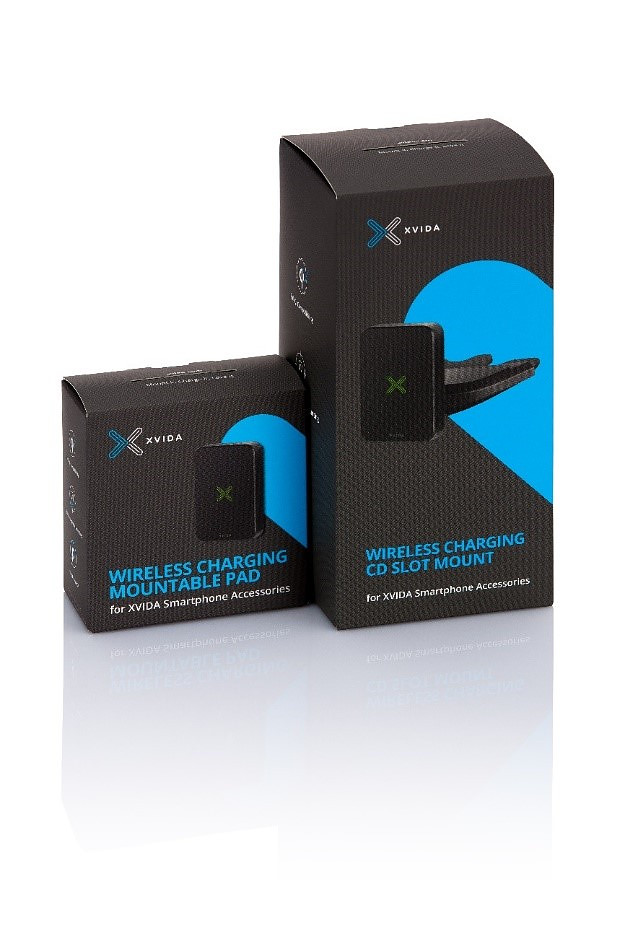
Film lamination is essential for packaging that has a dark design over the edges. The material tends to crack at the edges due to folding. On boxes with a light design, this is not noticeable, but when we have a dark design, the cracking is seen in the form of white cracks that are quickly noticed. Such cracked packaging makes the product look cheap, and we do not want such packaging to represent our product. Cracking can be prevented with film lamination, so we always recommend film lamination for dark designs.
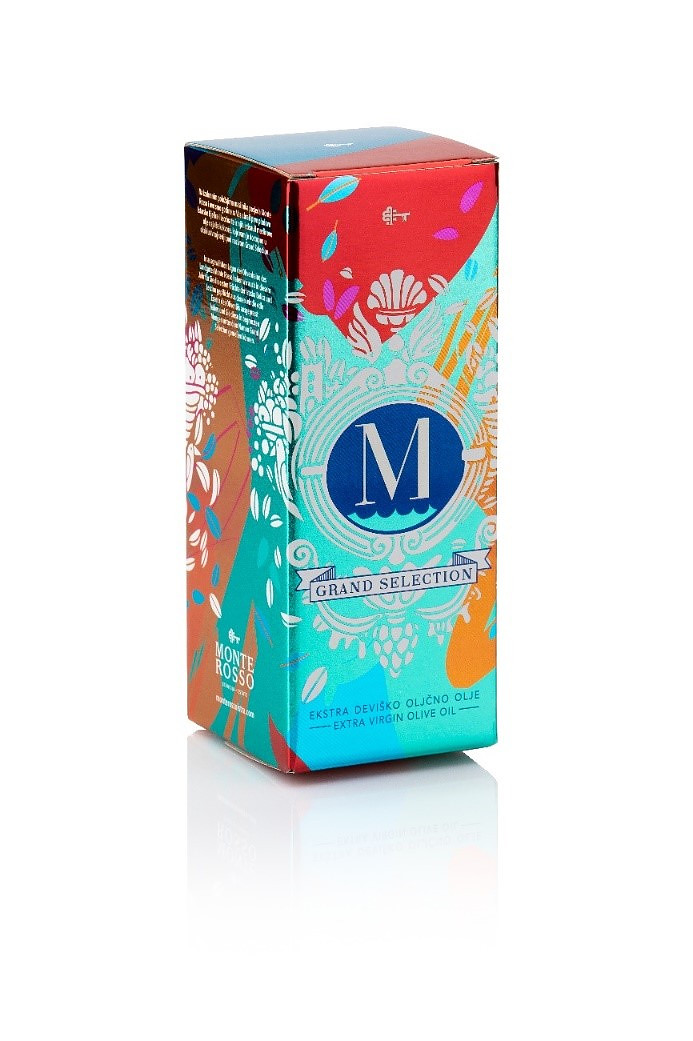
In addition to a longer lifespan, film lamination is used to achieve special effects. We know several types of film lamination: gloss, matte, silver, and soft-touch. It is used to add value to the packaging and, consequently, to the product. Packaging is the customer’s first contact with the product and indirectly gives them a perception of the product’s quality and luxury. When designing packaging for high-end products, designers often choose film lamination, which they combine with other special effects, such as partial UV varnishing, embossing or blind embossing, and hot foil stamping.
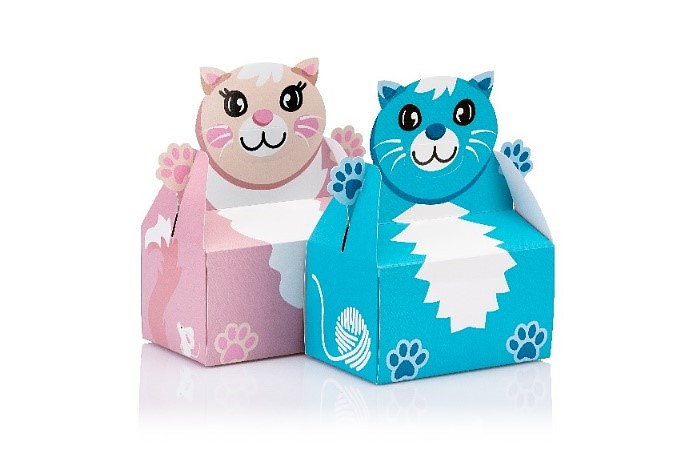
We also have film lamination that is suitable for contact with food. As already mentioned, it increases the strength of the packaging, and it is also used as a barrier on the inside of the packaging to protect the cardboard from grease penetration. If grease penetrates the cardboard, it is seen in the form of dark stains that ruin the visual appearance of the packaging. In addition, absorbed grease makes the cardboard more brittle and susceptible to tearing and disintegration.
In addition to all the positive qualities for which we choose film lamination, it is questionable from the perspective of sustainability. By adding plastic to sustainable materials such as cardboard and paper, they are no longer suitable for recycling after the addition of plastic. Plastic that is applied to cardboard by film lamination can no longer be removed from the cardboard, and therefore the material can no longer be recycled. Many companies, especially those that are sustainably oriented, therefore do not want to use film lamination for their products, despite the fact that it would often be recommended given the type of packaging (packaging for food contact, value-added packaging, and similar). Many are not yet aware that it is now possible to choose biodegradable film lamination. Biodegradable film laminated cardboard can be recycled in industrial compost. Currently, we can choose between biodegradable plastic with a gloss and matte effect.
To summarize, it is not suitable for all types of packaging. It is important to decide on film lamination based on the packaging needs of our product, when we need to achieve greater resistance and a longer lifespan for the packaging or want to emphasize a premium feel already on the packaging of our high-end product. And because we are proud to be part of sustainable development, we advise our customers to use film lamination with biodegradable film whenever the intended use of the packaging allows it.